HOW TO CLEAN A DRIVEWAY
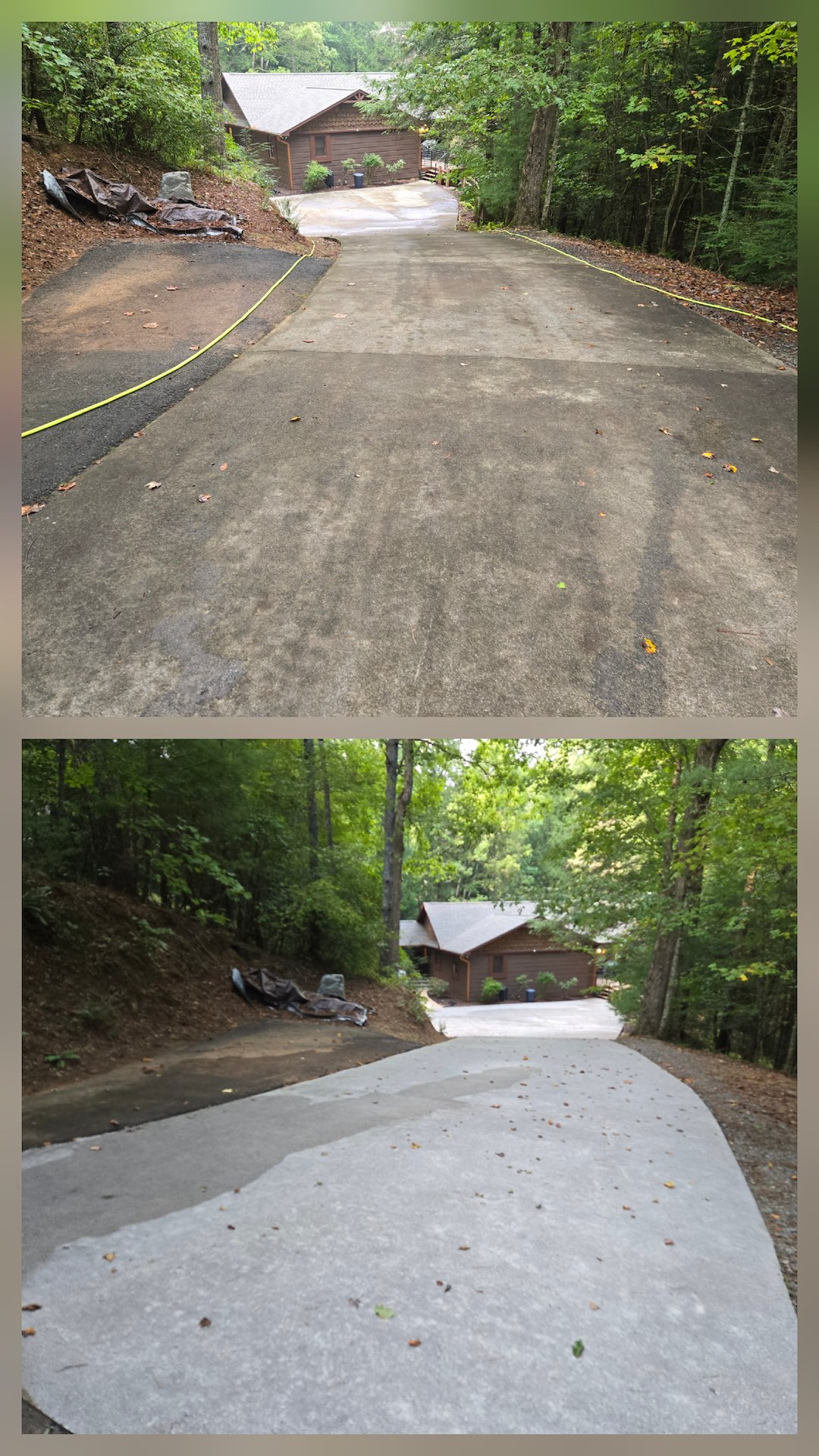
WHY IS MY NORTH GEORGIA DRIVEWAY BLACK, AND HOW DO I CLEAN IT?
If you live in Dawsonville, GA, and surrounding North Georgia communities, you've most likely experienced mold and algae growth on your driveway, sidewalks, walkways, and patios. This common issue is not merely a cosmetic concern; it also indicates underlying biological growth that can compromise the integrity of the concrete. Periodic driveway cleaning is a must if you wish to keep your driveway looking its best.
What Causes Driveways and Other Concrete Surfaces to Turn Black?
The primary cause is the growth of mold and algae. Mold, a type of fungus, thrives in damp and shaded areas in the Dawsonville area. Algae, another culprit, is a simple plant organism that spreads rapidly in moist environments. Together, they create dark areas on your driveway, making it appear dirty and unkempt. Tannin stains from leaves, seeds, and nuts can also be an issue if you have trees on your property.
Factors Contributing to Mold and Algae Growth
1.) Moisture: Unsealed driveways allow water to penetrate the surface, providing an ideal environment for mold and algae to flourish, especially after rain or from sprinkler overspray.
2.) Shade: Areas shaded from direct sunlight retain moisture longer, promoting the growth of these organisms.
3.) Environmental Conditions: North Georgia’s climate, with its humidity and seasonal variations, further encourages the growth of mold and algae on outdoor surfaces.
Effects of Algae and Mold on Driveways
Aside from aesthetic concerns, the presence of organic growth can lead to more significant issues.
1.) Surface Damage: Over time, these organisms can penetrate the surface of concrete, causing discoloration and potentially weakening the structure.
2.) Slippery Surfaces: Algae can make surfaces slippery when wet, posing a safety hazard.
3.) Staining: Organics can stain driveways, making them harder to clean and detracting from the overall appearance of your property.
Effective Cleaning Solutions and Maintenance
1.) Pressure Washing: While pressure washing can remove surface dirt and some superficial growth, it often fails to eradicate mold and algae entirely. High-pressure water can leave behind spores and roots, leading to rapid regrowth.
2.) Soft Washing: A soft wash treatment after the concrete surfaces have been pressure washed is highly effective for eliminating mold, algae, and tannin stains from driveways. This method uses specialized cleaning solutions that penetrate the surface, killing spores and preventing regrowth. A soft wash solution of 1.5% sodium hypochlorite is usually enough to get the job done. Unlike pressure washing, soft washing is gentle on surfaces, minimizing the risk of damage.
3.) Regular Maintenance: To prolong the cleanliness of your driveway, consider regular maintenance. Removing debris and organic matter regularly can prevent buildup and staining. Schedule periodic soft wash treatments to maintain a clean surface and prevent the growth of mold and algae.
4.) Concrete Sealant: Apply a concrete sealant as recommended to ensure ongoing protection against moisture and stains.
If your property is located in Dawsonville and the surrounding communities of North Georgia, contact Keaton's Pressure Washing, LLC, and experience the difference that professional care can make! Complete client happiness is our first priority; if you're not satisfied, neither are we!
Location: Dawsonville, GA
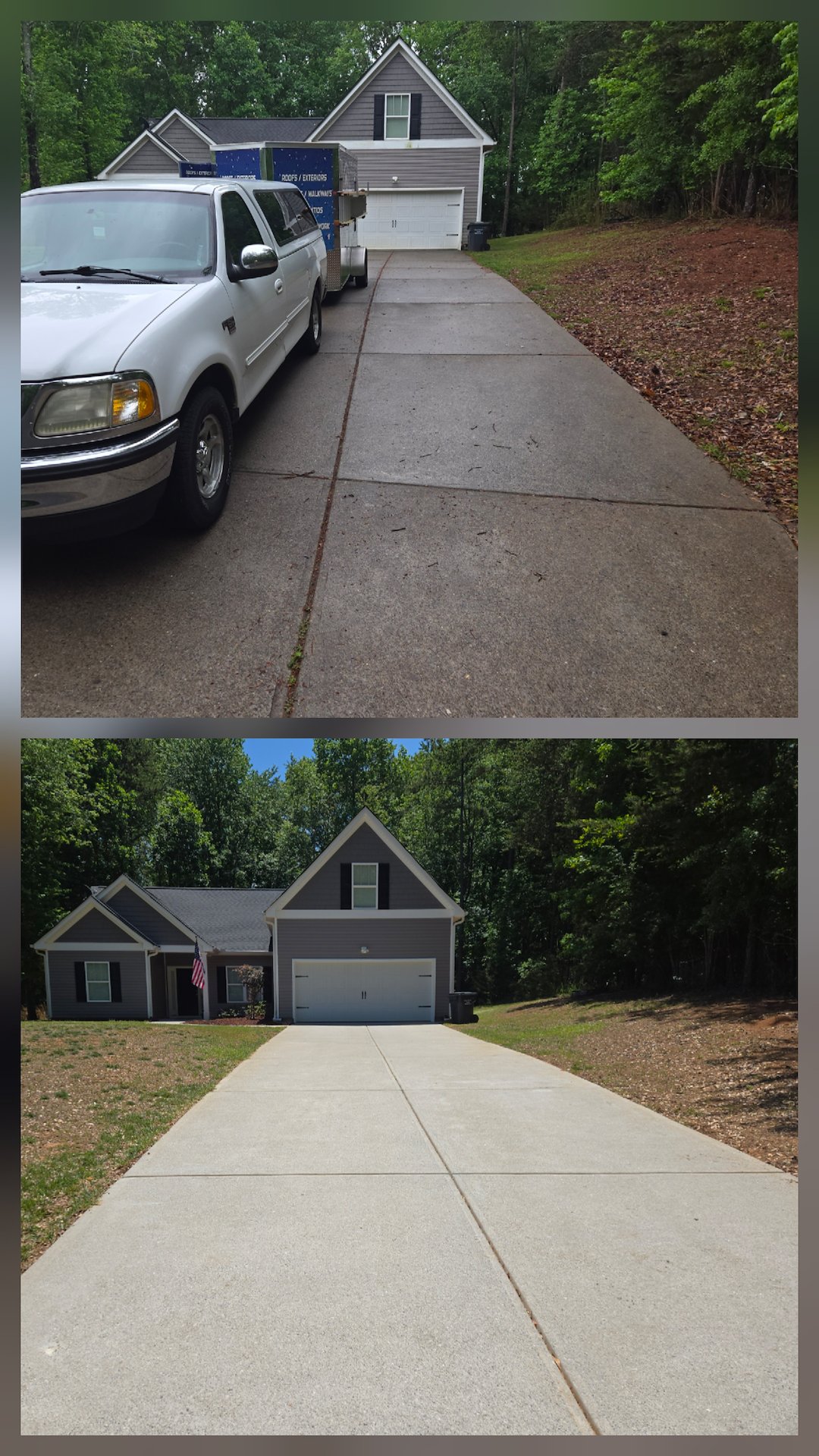
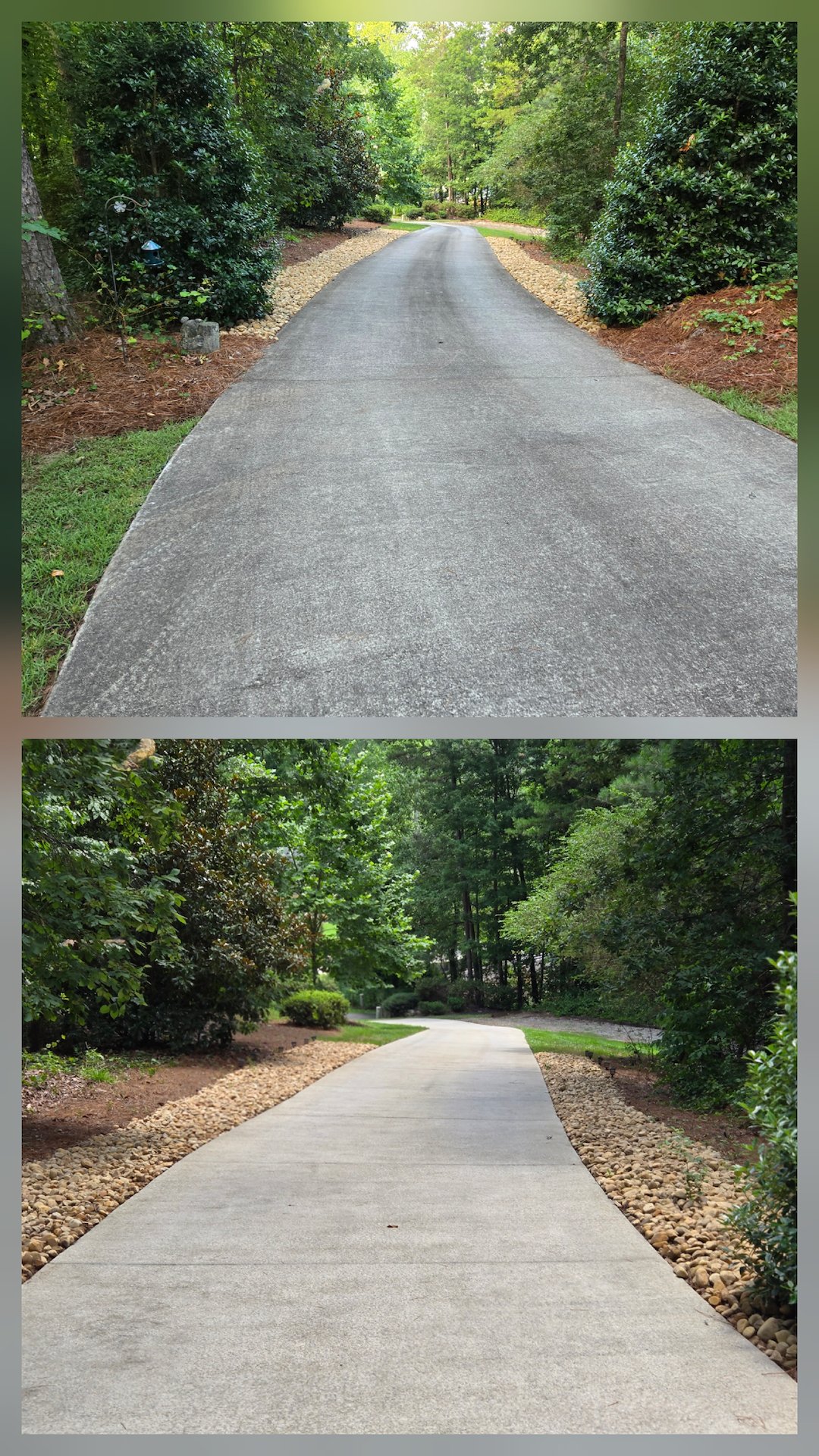
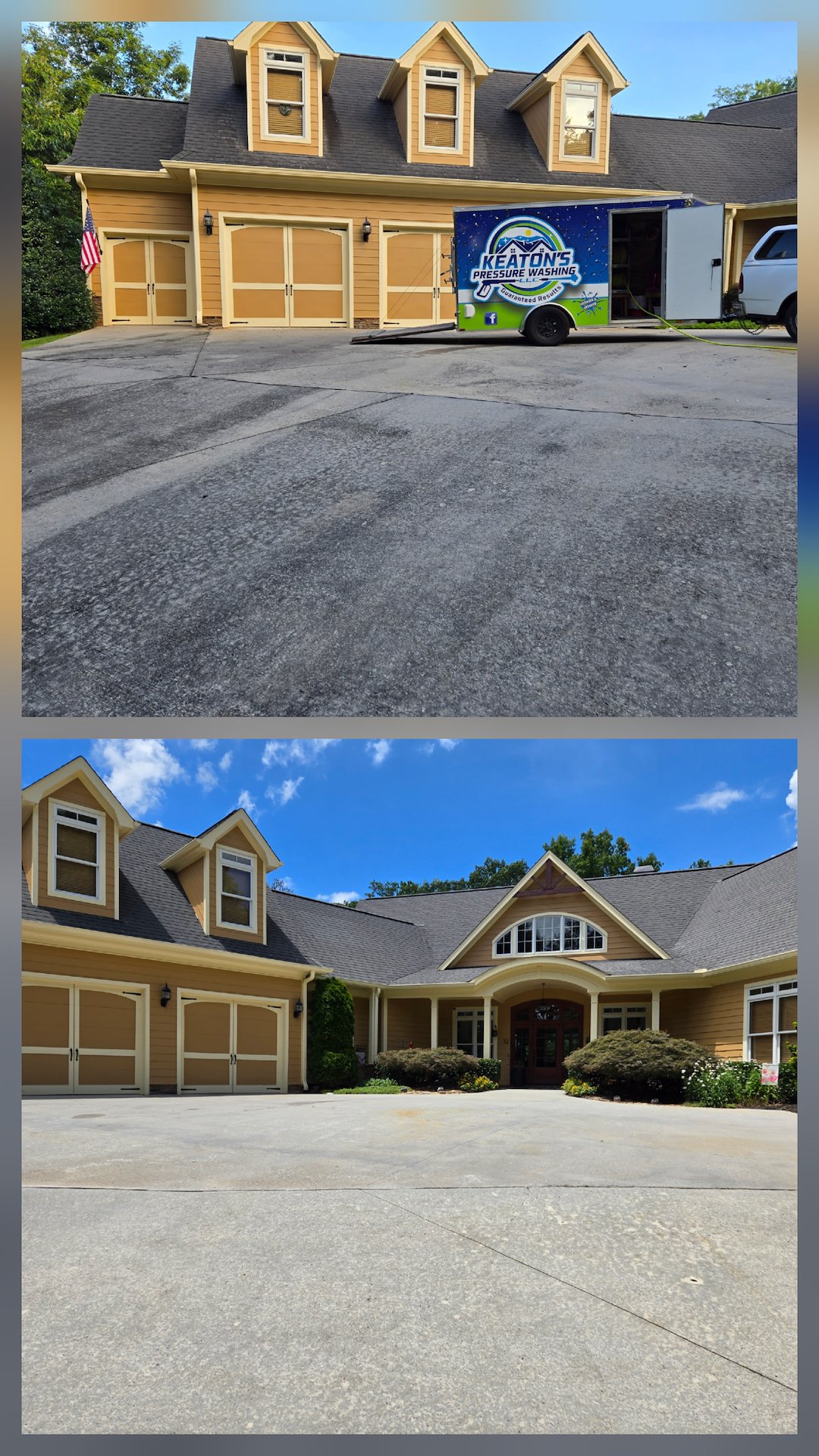
Project Image Gallery
Products Used
Pressure washing, soft washing
REACH OUT TO Keaton’s Pressure Washing, LLC TODAY IN DAWSONVILLE & SURROUNDING AREAS!